What is Islam?
Islam is a faith of pure monotheism that builds on the messages of previous prophets sent to humankind throughout history.
Islam is a continuation of the same message preached by all of God’s prophets — ending with the final prophet, Muhammad ﷺ — calling people to believe and worship in the one, true God alone. It is the original religion of Adam, Abraham, Moses, and Jesus that clarifies the purpose of creation and guides us on how to live a Godly, righteous life.
As the final message from God to humanity, Islam is a manifestation of the Divine covenant made before the creation of the world where every soul gathered to recognize God as their Lord. In the Islamic worldview, this knowledge is coded into our subconscious makeup. Through testifying one’s faith, we reaffirm our witness of God’s Lordship and commit to living out a life according to and in line with His will. The Qur’an, God’s final words revealed to Prophet Muhammad, and prophetic teachings (Sunnah) offer guidance on how to adhere to the message.
What do Muslims believe?
In Islam, faith is composed of six core articles of faith, commonly referred to as the pillars of faith.
They are:
- Belief in God
- Belief in angels
- Belief in Divinely revealed books
- Belief in the Messengers of God
- Belief in the Day of Judgement
- Belief in Divine Decree
Who is Allah?
Allah is simply the Arabic word for God.
Say [O Prophet], “He is Allah—One. God, the eternal. He has never had offspring, nor was He born. And there is none comparable to Him.”
(Qur’an 112: 1-4).
The word ‘Allah’ does not have a gender or a plural form, indicating God’s uniqueness from all creation and His absolute oneness. Allah is also the term for ‘God’ used by non-Muslim Arabic speakers such as Arab Christians.
Muslims believe God is exalted above everything else in the universe, unrestricted by time and space, and distinct in His attributes. He is All-Powerful and All-Wise, with full control over the universe, as it was created by His will. As taught in the Qur’an, Allah is the Lord of all the Worlds; humanity’s Creator, Nourisher, and Sustainer, whom all should worship and love.
The 99 Beautiful Names of God encapsulate the various divine attributes through which God has described Himself. Allah is not restricted to these names alone; rather, they are a means by which someone can begin to know Him. God, above all else in the Islamic worldview, is the Most Merciful and the Most Kind (these are the names most often repeated in the Qur’an and in daily prayers), the Most Loving, and the Source of all peace, reliance, and refuge. The gift of worship is from His bounty to keep mankind forever connected to Him.
“He is God: there is no god other than Him. It is He who knows what is hidden as well as what is in the open, He is the Lord of Mercy, the Giver of Mercy. He is God: there is no god other than Him, the Controller, the Holy One, Source of Peace, Granter of Security, Guardian over all, the Almighty, the Compeller, the Truly Great; God is far above anything they consider to be His partner. He is God: the Creator, the Originator, the Shaper. The best names belong to Him. Everything in the heavens and earth glorifies Him: He is the Almighty, the Wise.” [Quran, 59:22-24]
What is the Qur’an?
The Qur’an is the speech of God revealed to Prophet Muhammad ﷺ through the Angel Gabriel (Jibril) over a period of 23 years.
The Qur’an constitutes the final revealed message from God through the last prophet and messenger sent to the world.
The Qur’an is both miraculously preserved and inimitable. In other words, what we know as the Qur’an today is the exact same text that was revealed to Prophet Muhammad ﷺ. The Qur’an is also miraculous in that it is impossible for human beings to imitate, contains no errors or contradictions, accurately foretells future events, describes matters of the natural world unknown to human beings at the time of revelation, and contains benefit for all human beings.
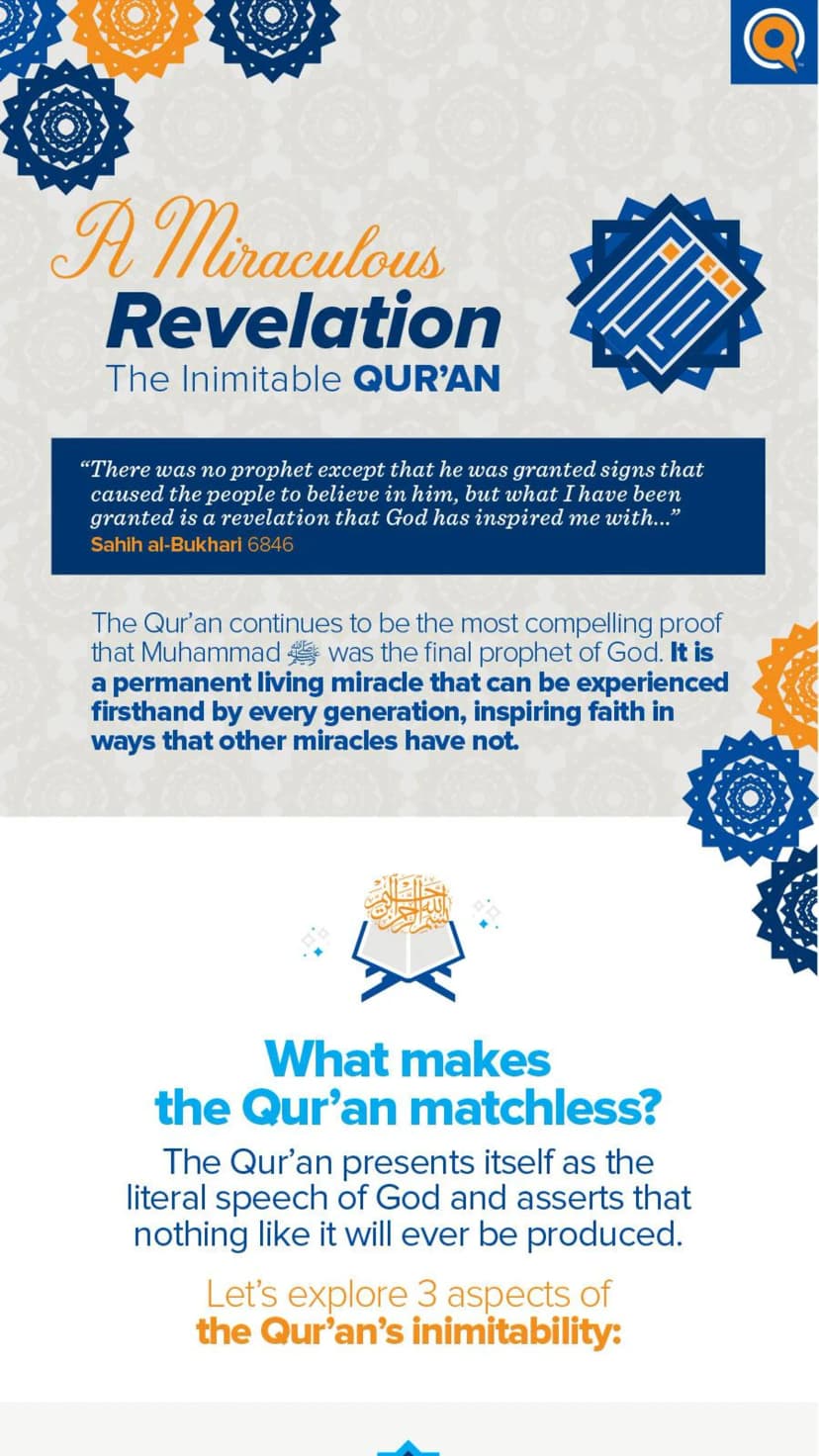
See full infographic on: A Miraculous Revelation
Who is Prophet Muhammad?
Muhammad ﷺ, the son of Abdullah, was the final prophet and messenger of God.
He was born in 570 CE in Mecca, where he eventually received the final revealed book sent to humanity, the Qur’an, and began calling people to the religion of Islam.
Despite facing many challenges and being met with rejection and persecution during his life and prophetic mission, he unfailingly exhibited beautiful character, rose above enmity and insult, and accomplished a stunning array of achievements. He is the most beloved of all creation to God, and is the greatest of not only all of God’s prophets and messengers, but the entirety of creation.
Prophet Muhammad ﷺ is often described as the “founder of Islam,” but this is not exactly accurate. Islam did not begin with his prophetic mission. Instead, it is more accurate to say he was sent to confirm and restore the messages of previous prophets and scriptures in their original, uncorrupted forms. All of the messengers of God, from Adam to Jesus to Muhammad, conveyed the same fundamental message of monotheism and good works and are brothers in prophethood.
Check out the Meeting Muhammad video series with Imam Omar Suleiman.
Paper: An Ethical and Historical Necessity: The Proofs of Prophethood Series (Updated)
What is sadaqa?
Sadaqa refers to any act of charity or giving.
Charity is one of the most highly emphasized acts and virtues in Islam and bears a great deal of spiritual and societal benefit. The widespread practice of Muslims establishing charitable endowments across Muslim societies is just one example of how this emphasis upon charitable giving manifests.
While the default conception of sadaqa is often monetary in nature, Islam outlines an expansive understanding of charity that extends to many non-monetary acts of giving such as spreading joy, meeting people with a smile, or merely speaking a kind word.
In fact, Prophet Muhammad ﷺ said that, “Every good deed is charity. Verily, it is a good deed to meet your brother with a cheerful face, and to pour what is left from your bucket into the vessel of your brother.”
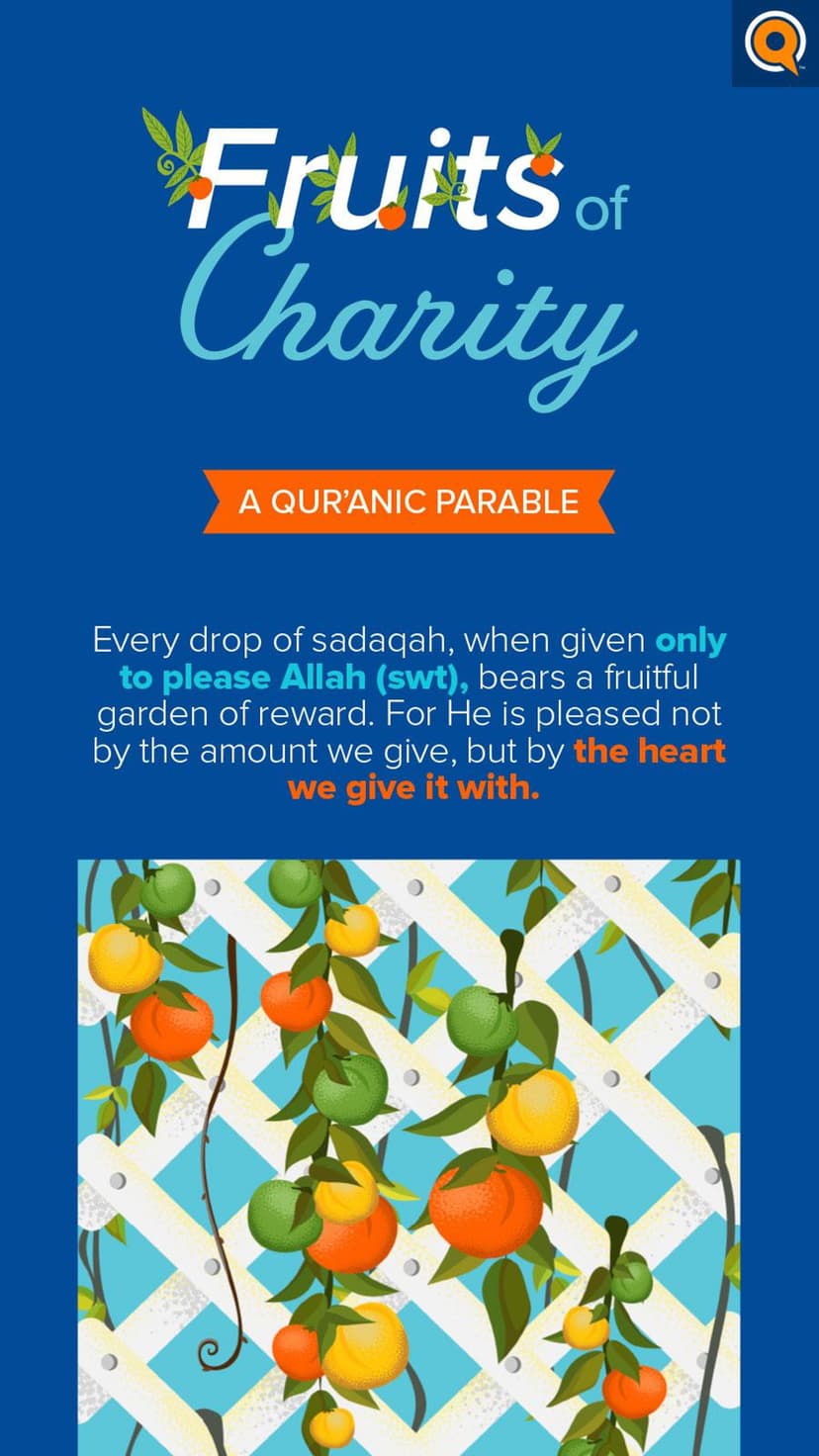
See full infographic on: Fruits of Charity
What holidays do Muslims celebrate?
Muslims celebrate two major holidays: Eid al-Fitr and Eid al-Adha.
Muslim days of celebration occur at the conclusion of seasons of worship. The day of Eid al-Fitr is celebrated at the end of Ramadan, while Eid al-Adha is celebrated at the conclusion of Hajj. These days are intended to be days of festivity and joy for Muslims, and are distinguished from other days since one is not allowed to fast on them.
Fridays are also weekly holy days for Muslims, as Prophet Muhammad ﷺ said, “Allah has made this day of Friday a celebration for the Muslims.”
POPULAR ARTICLES
Hajj and Umrah
What is Hajj? When is Hajj? What is Umrah? What is the difference between Hajj and Umrah? Learn about the significance of Hajj, the rituals of Hajj and Umrah, and the answers to other commonly asked questions about Hajj and Umrah.
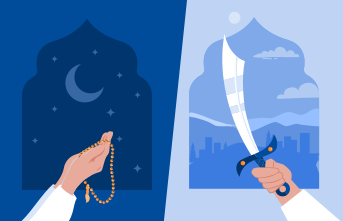
Peace & Violence
For the majority of the world’s 1.8 billion Muslims, Islam represents a comprehensive way of living a peaceful life devoted to God. However, over time, fearmongers and the actions of a few have stirred doubt about Islam’s views on violence. What does Islamic doctrine truly have to say about terrorism, jihad, and honor killings?
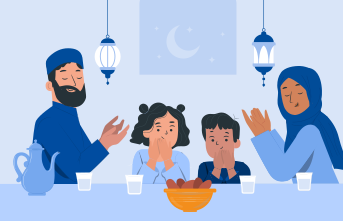
Ramadan
Ramadan is the holiest month of the year for Muslims. It’s the period in which the Prophet Muhammad (peace be upon him) was visited by the archangel Gabriel and began to receive the Qur’an—the final scripture revealed by God. Believers commemorate this revelation through prayer, charity, and building a closer relationship with God.
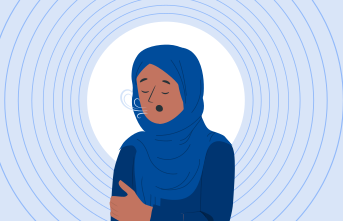
Mental Health & Wellness
Islam has a long scholarly tradition of acknowledging mental health struggles and guiding believers towards healing through both spiritual and clinical means. Explore how trauma, meditation, OCD, and other mental health topics are viewed from an Islamic lens.
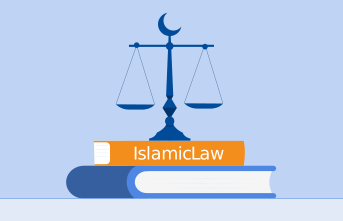
Shariah
At its simplest, shariah is the Islamic interpretation of God's law, but it is also a common source of misunderstanding. Read on for an in-depth explanation of sharia, its implementation, and related terms.
Spirituality
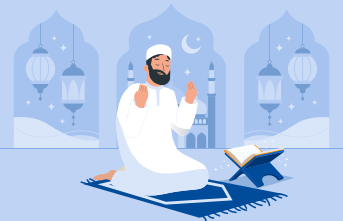
In Islam, the sole purpose of creation is to worship and devote oneself God. As God says in the Qur’an: "I did not create jinn and mankind except to worship Me" [Qur’an, 51:56]
Women
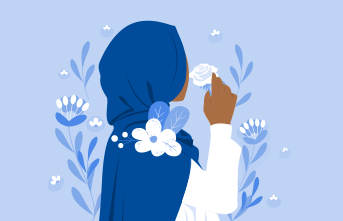
How does Islam view women? Do women have rights in Islam? Are men and women equal in Islam? What is hijab? Explore topics around the role of women in society, modesty, inheritance laws, divorce, and other commonly-asked questions about women in Islam.
Islam & Muhammad
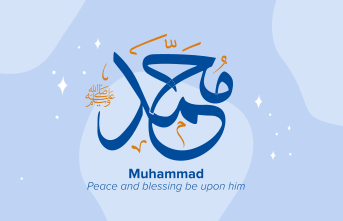
The Prophet Muhammad (peace be upon him) and his role in Islam
Palestine
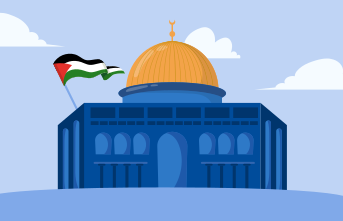
Jerusalem and the surrounding holy lands have historically held an important place in the religious traditions and hearts of Muslim believers around the world. Similarly, Christians and Jews have a rich history in the region. Why is Palestine so important to Muslims? What is Al-Aqsa’s significance in Islam? Is the Palestine-Israel war a religious conflict? Learn the answers to these questions and more in this section.
Gender & LGBTQ
How does Islam understand gender? Learn about Islam’s definition of roles, responsibilities, relationships and interactions. This section also addresses the topic of Islam’s sexual ethics and homesexuality.

Additional Resources
Are you interested in learning more about Islam? Explore the different resources compiled to help you along your journey in learning about the Islamic faith.
Explore more related topics
The five pillars of Islam are: the testimony of faith, prayer, zakat, fasting of Ramadan, and performing hajj.
Jesus, the son of Mary, is considered a prophet and messenger of God in Islam
Halal refers to that which is permissible to Muslims.
The Islamic stance on divorce
What Islam Says About...
What is Hajj? When is Hajj? What is Umrah? What is the difference between Hajj and Umrah? Learn about the significance of Hajj, the rituals of Hajj and Umrah, and the answers to other commonly asked questions about Hajj and Umrah.
For the majority of the world’s 1.8 billion Muslims, Islam represents a comprehensive way of living a peaceful life devoted to God. However, over time, fearmongers and the actions of a few have stirred doubt about Islam’s views on violence. What does Islamic doctrine truly have to say about terrorism, jihad, and honor killings?
Ramadan is the holiest month of the year for Muslims. It’s the period in which the Prophet Muhammad (peace be upon him) was visited by the archangel Gabriel and began to receive the Qur’an—the final scripture revealed by God. Believers commemorate this revelation through prayer, charity, and building a closer relationship with God.
Islam has a long scholarly tradition of acknowledging mental health struggles and guiding believers towards healing through both spiritual and clinical means. Explore how trauma, meditation, OCD, and other mental health topics are viewed from an Islamic lens.
At its simplest, shariah is the Islamic interpretation of God's law, but it is also a common source of misunderstanding. Read on for an in-depth explanation of sharia, its implementation, and related terms.
In Islam, the sole purpose of creation is to worship and devote oneself God. As God says in the Qur’an: "I did not create jinn and mankind except to worship Me" [Qur’an, 51:56]
How does Islam view women? Do women have rights in Islam? Are men and women equal in Islam? What is hijab? Explore topics around the role of women in society, modesty, inheritance laws, divorce, and other commonly-asked questions about women in Islam.
The Prophet Muhammad (peace be upon him) and his role in Islam
Jerusalem and the surrounding holy lands have historically held an important place in the religious traditions and hearts of Muslim believers around the world. Similarly, Christians and Jews have a rich history in the region. Why is Palestine so important to Muslims? What is Al-Aqsa’s significance in Islam? Is the Palestine-Israel war a religious conflict? Learn the answers to these questions and more in this section.
How does Islam understand gender? Learn about Islam’s definition of roles, responsibilities, relationships and interactions. This section also addresses the topic of Islam’s sexual ethics and homesexuality.
Are you interested in learning more about Islam? Explore the different resources compiled to help you along your journey in learning about the Islamic faith.